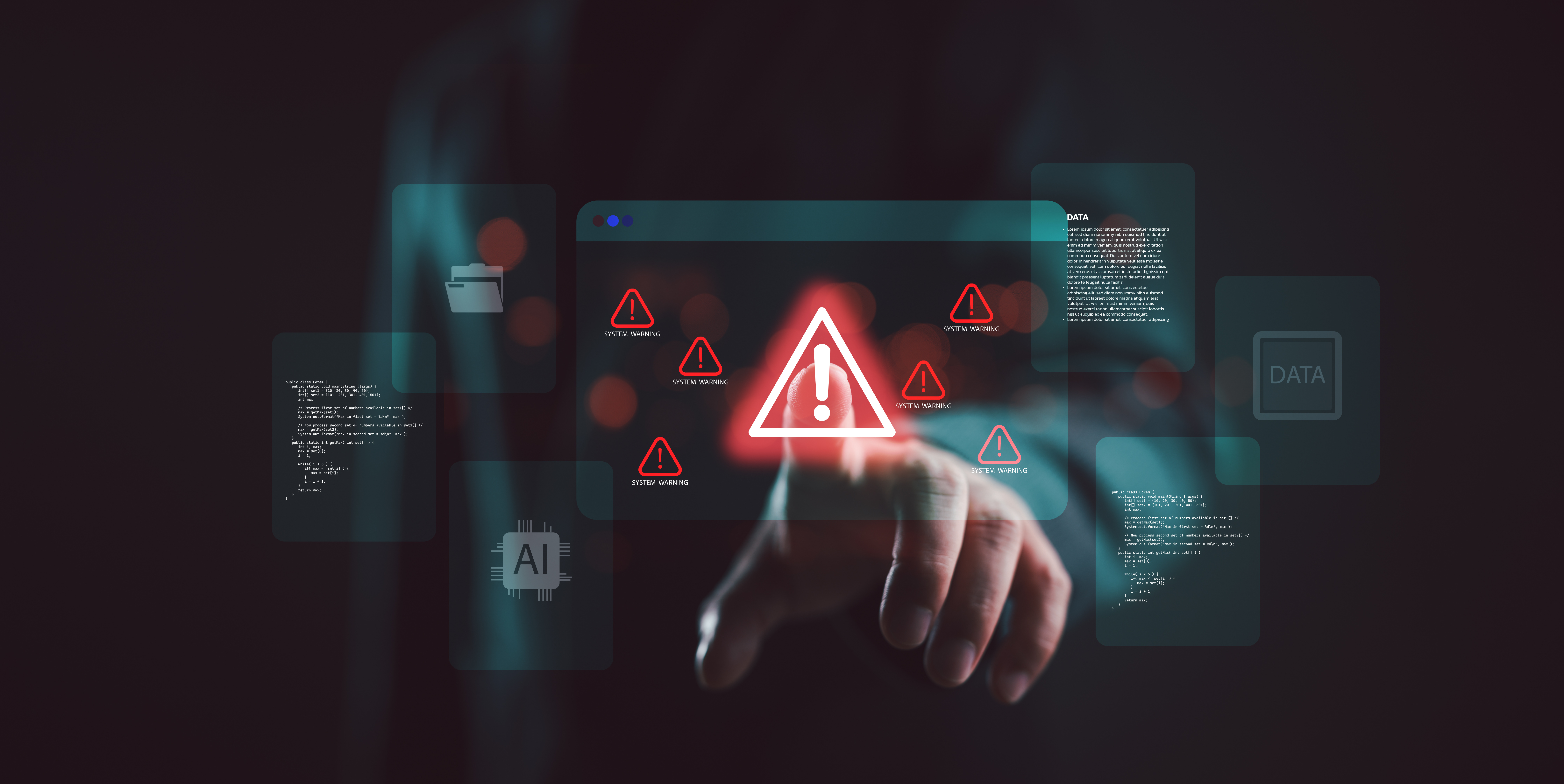
Artificial intelligence is no longer a future consideration in cybersecurity; it is actively reshaping the threat landscape today.
In early April 2026, Anthropic announced Project Glasswing and previewed Claude Mythos, a model capable of identifying and chaining software vulnerabilities at a scale not previously possible. In a matter of weeks, Mythos identified thousands of vulnerabilities across operating systems, browsers and widely used applications – some dating back more than two decades.
The specific model matters less than what it signals: vulnerability discovery is becoming faster, cheaper and dramatically more scalable. Capabilities that once required significant time and expertise are now within reach in minutes and by far more actors.
While Anthropic has limited access to Mythos to a small group of security‑focused organizations, it is only a matter of time before similar capabilities are achieved by others with less noble intentions. As discovery accelerates, the time between a weakness existing and being exploited continues to shrink.
For credit unions, that compression of time changes the equation.
From Periodic Risk to Continuous Exposure
For years, cybersecurity programs have been built around periodic activities – monthly scans, annual penetration tests, scheduled audits. Those approaches made sense when vulnerability discovery itself was constrained by human effort.
AI removes that constraint.
We are entering an environment where vulnerabilities can be identified continuously, relationships between systems can be analyzed automatically and isolated weaknesses can be connected into viable attack paths in minutes. The result is a fundamental shift: risk is no longer static or easily captured through snapshots in time.
For credit unions, this means exposure is increasingly dynamic. Risk changes as systems change, as vendors update platforms and as new attack techniques emerge – often faster than traditional assessment cycles can account for.
Rising Expectations in a Regulatory Environment
This shift is occurring alongside increasing scrutiny from regulators.
The NCUA has consistently emphasized the importance of effective vulnerability management, continuous risk awareness and strong oversight of third‑party relationships. While current guidance may not explicitly reference AI‑driven vulnerability discovery, the expectation is clear: institutions must manage risk in a manner that is commensurate with the threat.
As that environment accelerates, institutions relying heavily on periodic assessments will find it harder to demonstrate timely identification and remediation of risk. The gap between regulatory expectations and operational reality widens when discovery happens at machine speed.
The Opportunity for Defenders
From a defensive standpoint, AI presents a real opportunity – particularly for credit unions operating with limited security resources.
Continuous analysis of systems, applications and configurations provides a level of visibility that was previously difficult to achieve. More importantly, AI allows security teams to move beyond counting vulnerabilities and toward understanding which ones actually matter.
By analyzing how weaknesses can be combined into attack paths, defenders can prioritize remediation based on realistic impact instead of severity scores alone. When paired with modern detection and response capabilities, AI improves the ability to identify and contain new and novel attacks more quickly.
The Risk of Expanded Threat Actor Capabilities
These same capabilities, however, are not exclusive to defenders.
AI lowers the barrier for less sophisticated threat actors to discover and exploit vulnerabilities that once required deep technical expertise. It also compresses the lifecycle from discovery to exploitation. In some cases, the window between the two may effectively disappear.
For credit unions, this risk is amplified by reliance on shared technologies and third‑party providers. When many institutions depend on the same platforms – core systems, digital banking, authentication services – a single vulnerability can be analyzed and weaponized at scale.
Adapting the Credit Union Security Model
This new reality does not require a wholesale reinvention of cybersecurity programs; but it does require a shift in emphasis.
Periodic assessments remain valuable, but they are no longer sufficient on their own. Institutions need a more continuous view of risk, one that reflects how environments evolve and how new vulnerabilities change exposure over time.
Prioritization also becomes more nuanced. Individual vulnerabilities may pose limited risk in isolation, while certain combinations create meaningful exposure. Understanding how attackers could realistically move through an environment is increasingly important.
Finally, mitigation speed matters. As discovery accelerates, institutions must balance thorough testing with the operational reality that delaying remediation carries its own risk.
At the leadership level, cybersecurity must continue to be treated as an enterprise risk issue. Boards and executives should be asking not just how many vulnerabilities exist, but which ones could realistically disrupt operations, compromise member data or threaten financial stability.
Third‑party risk management also takes on new urgency. Institutions need visibility into how vendors identify, monitor and respond to vulnerabilities; not just within their own environments, but across shared platforms.
And as prevention becomes harder, the ability to detect and respond quickly becomes just as critical.
Turning Insight into Action
The Mythos announcement confirms a trajectory Optiri has been discussing with clients for the past year: the threat environment is accelerating faster than many security programs.
Credit unions should be prioritizing the following:
- Pressure‑test vulnerability management. If your program relies primarily on scheduled scans and annual assessments, move toward a continuous model. Understand what is exposed, what is internet‑facing and what connects to sensitive member data.
- Reassess third‑party risk. Map vendor relationships to data flows and privileged access. AI‑enabled attackers will look for the weakest link in the ecosystem – not necessarily the front door.
- Evaluate detection and response. The question is no longer whether attackers can gain access, but how quickly you can detect and contain them. Detection tools must focus on behavior, not just known signatures.
- Brief the board. The NCUA has made cybersecurity a core governance responsibility for credit union boards. Developments like Mythos are board‑level issues that warrant clear discussion about risk, impact and required investment.
- Establish AI governance. As AI tools are adopted across operations, lending, fraud and member services, apply the same diligence used for any critical vendor. Understand data usage, security controls and how teams are trained to use AI responsibly.
The Bottom Line
AI‑driven vulnerability discovery is already changing how risk is identified, understood and exploited.
For credit unions, the implications are immediate and strategic. The threat environment is accelerating. Expectations are rising. And the gap between traditional approaches and emerging realities is widening.
The question is no longer whether AI will impact cybersecurity – it is whether institutions are prepared to operate at the same speed as the risks they face.
Those that adapt can use AI to strengthen resilience. Those that do not will find that managing exposure becomes increasingly difficult.
Now is the time to close that gap.